
Quick Answer
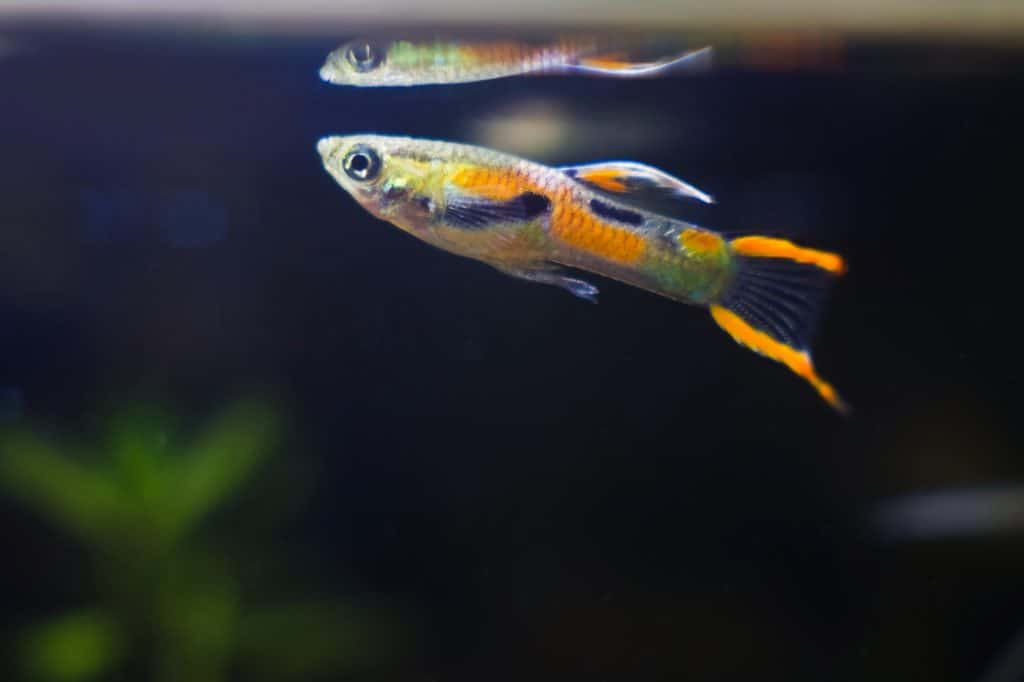
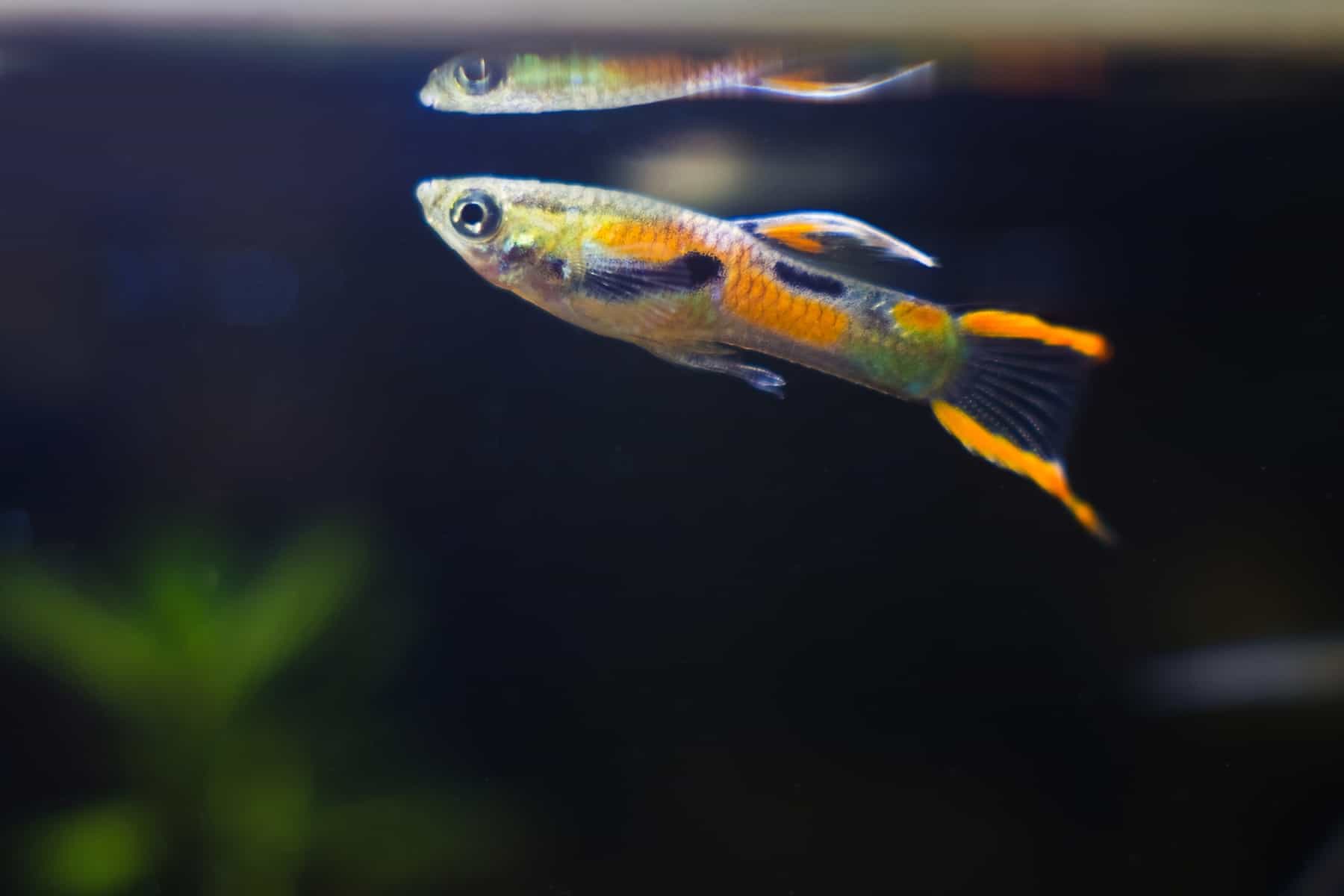
Endlers livebearers (Poecilia wingei) are hardy nano fish that thrive in planted tanks with moderately hard water. They breed constantly, but unlike common guppies, you can actually control population growth by adjusting temperature. Males max out at one inch with stunning metallic coloration; females reach 1.8 inches and live shorter lives due to breeding stress.
You wanted guppies but didn’t want your tank overrun within three months. Endlers are the answer most people don’t know about. Same genetic family, same easy care, but smaller, more intensely colored, and — here’s what nobody tells you — manageable if you understand one temperature trick.
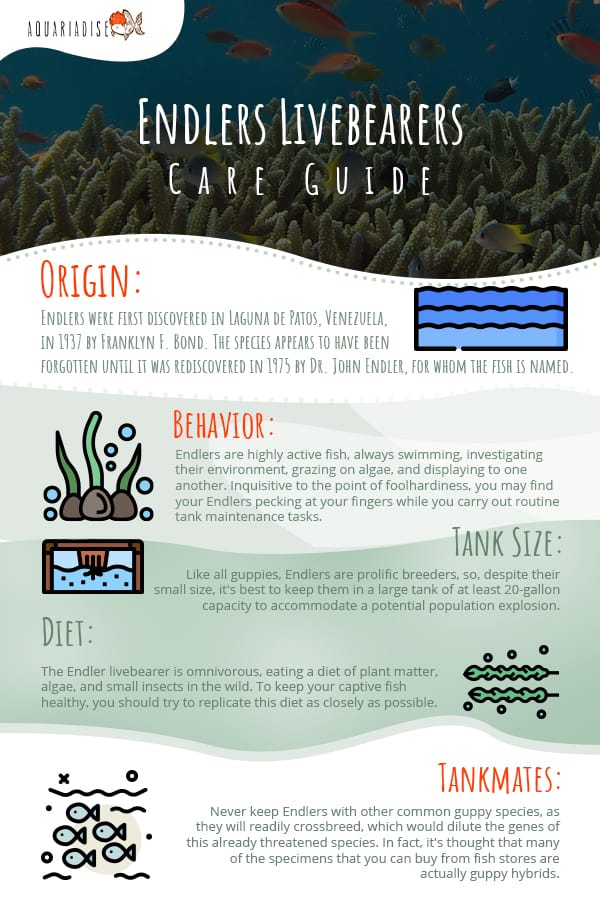
The catch? Most “Endlers” sold in pet stores aren’t actually pure Poecilia wingei. They’re guppy hybrids. If you care about keeping the real thing (and there are good reasons to), you need to know what you’re buying.
Quick Care Overview
Why Pure Strains Actually Matter
Here’s the thing most care guides skip over: wild Endlers are functionally extinct. Their only known habitat — Laguna de Patos in Venezuela — is being destroyed by runoff from a nearby garbage dump. The fish you keep in your tank may represent a more genetically diverse population than what’s left in the wild.
That’s why hobbyists developed a classification system:
| Class | What It Means | Why It Matters |
|---|---|---|
| N Class | Pure strain from Laguna de Patos with documented lineage | Conservation value; breeding true |
| P Class | Looks like N Class but no documented pedigree | Probably pure; uncertain history |
| K Class | Confirmed guppy hybrids | Still beautiful; not conservation stock |
If you’re just after the look, K Class fish are fine. If you want to contribute to preserving a threatened species, seek out N Class from reputable breeders. Pet store “Endlers” are almost always K Class or unlabeled hybrids.
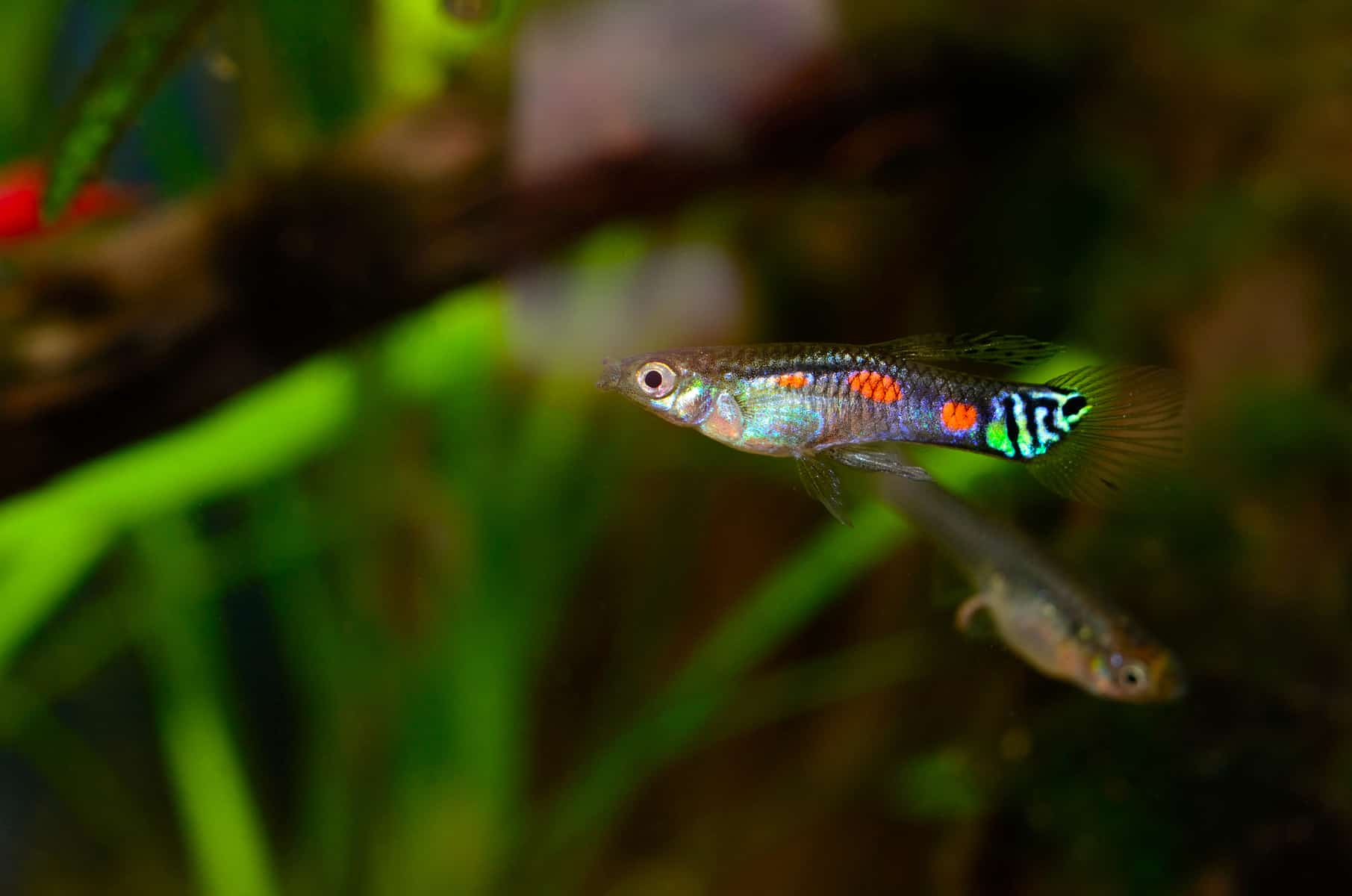
N Class strains include peacock, black bar, red chest, red stripe, flame tail, center peacock, and snake chest. Each breeds true across generations — mix them and you’ll create something new, which defeats the conservation purpose.
Male vs. Female: The Lifespan Gap Nobody Mentions
Male Endlers live two to three years. Females often die within a year. That’s not a typo — it’s the single most important thing to understand about keeping these fish long-term.
Females can drop fry every 23-24 days. That reproductive stress compounds. Many females die shortly after giving birth, especially if harassed by multiple males. This is why you need three to four females per male minimum — not to “spread the attention” as some guides vaguely suggest, but because females that get targeted constantly simply don’t survive.
[WARNING] Important
A tank with more males than females isn’t just suboptimal — it’s a death sentence for the females. If you can’t maintain proper ratios, keep a male-only tank. They’ll display to each other and live longer without the breeding stress.
Tank Setup
Size
Most guides say “5-10 gallons minimum.” That’s technically survivable, but Endlers breed so readily that you’ll be overstocked within two months. Start with 20 gallons if you’re keeping both sexes. A male-only nano tank can work at 10 gallons.
Plants and Cover
Dense planting isn’t optional — it’s how fry survive. Floating plants with dangling roots are ideal: water sprite, Java moss, and even duckweed create the fry refuges that keep your population self-sustaining without a separate grow-out tank.
Other solid choices: Cabomba, water wisteria, Java fern, hornwort, and Hygrophila polysperma.
[FACT] Endlers are accomplished jumpers despite their tiny size. A tight-fitting lid with covered filter openings is mandatory — these fish will find gaps you didn’t know existed.
Substrate
Sand or fine gravel. Endlers scavenge constantly but can’t move coarse substrate — they’ll just frustrate themselves trying. Aquarium sand also shows off their colors better against a darker backdrop.
Water Parameters
Moderately hard to very hard water, pH 5.5-8.0. If your pH drops and fish become listless, add crushed coral to your filter — it buffers pH while adding minerals these fish need.
Temperature range is 66-84°F, but this isn’t just about comfort — it directly controls your population (more on that below).
Wild Endlers experience brackish conditions seasonally. They’ll thrive in freshwater, but can handle up to one tablespoon of aquarium salt per five gallons if you’re keeping them with other brackish-tolerant species.
Filtration
Gentle flow. Endlers are active swimmers but get stressed by strong current. Sponge filters work well and won’t suck up fry. If using a HOB or canister, cover the intake with fine mesh or a pre-filter sponge.
Feeding
Omnivores that eat everything. High-quality flake as a staple, supplemented with frozen or live foods: bloodworms, brine shrimp, daphnia, blackworms. They’ll also graze algae constantly.
For plant matter, blanched peas (shelled) or thin zucchini medallions work well. Feed small amounts multiple times daily rather than one large feeding — matches their natural grazing behavior and keeps water quality stable.
These fish learn feeding routines fast. Tap the glass before feeding and they’ll swarm to that spot within days.
Tankmates
[WARNING] Important
Never keep Endlers with common guppies. They’ll hybridize immediately, diluting genes of an already-threatened species. If conservation matters to you at all, this is non-negotiable.
Safe community tankmates:
- Corydoras catfish
- Neon tetras
- Honey gourami
- White cloud mountain minnows
- Zebra danios
- Otocinclus catfish
- Glassfish
- African dwarf frogs
- Bolivian ram cichlids
- Cherry and ghost shrimp
Avoid anything large enough to eat them. At one inch, male Endlers are bite-sized for many common community fish. When in doubt, species-only is safest.
Breeding and Population Control
Endlers breed whether you want them to or not. Females drop fry every 23-24 days, anywhere from one to 30 per brood depending on age and size. They’re less cannibalistic than common guppies, so more fry survive without intervention.
Here’s what the “just do a water change” crowd never explains: female Endlers store sperm. A female can produce fry for up to a year after her last contact with a male. Separating sexes after the fact doesn’t stop breeding — it just delays it.
[TIP] Pro Tip
Temperature controls sex ratio. At 77°F, you get roughly 50/50 male to female. Bump it to 78-79°F and broods skew heavily male. Since males don’t produce fry, this breaks the exponential breeding cycle. It’s the most effective population control method nobody talks about.
Warmer water also shortens lifespan and accelerates growth — there’s a tradeoff. But if you’re drowning in fry, the temperature adjustment works.
Raising Fry
Fry are large enough to eat powdered flake from birth, but grow faster on live foods: micro-worms, baby brine shrimp, or commercial fry food. Feed small amounts several times daily for the first month.
Males show color and reach adult size at four to five weeks. Females mature slightly slower. Both sexes are breeding-capable by two months — which is why population control matters from day one.
Behavior Worth Knowing
Endlers are perpetual motion machines. They investigate everything, graze constantly, and will peck at your fingers during tank maintenance. Males display and flare at each other throughout the day — it’s not aggression, just communication.
At lights-out, you’ll sometimes see them resting on the substrate or near floating plants. They become active again at dawn. In community tanks with larger bottom-dwellers, they tend to sleep near the surface.
Females can be territorial with each other, which is another reason to keep groups of three to four minimum — spreads out any squabbling.
Frequently Asked Questions
Are Endlers and guppies the same species?
Genetically, yes — they can interbreed freely. Taxonomically, Endlers are classified as Poecilia wingei to distinguish them for conservation purposes. The wild population is critically threatened, so maintaining pure breeding lines matters. Most pet store “Endlers” are actually guppy hybrids. [INTERNAL LINK: “Endlers vs guppies” -> endlers-vs-guppy comparison article]
How many Endlers can I keep in a 5-gallon tank?
Three males maximum, and only males. A 5-gallon with mixed sexes will be overstocked within weeks once breeding starts. For mixed groups, start with at least 20 gallons to accommodate inevitable population growth.
Why do my female Endlers keep dying?
Breeding stress. Females can produce fry every 23 days and often die shortly after giving birth. If you have too many males harassing too few females, survival rates drop dramatically. Maintain at least 3-4 females per male, or keep a male-only tank.
How do I stop Endlers from overpopulating my tank?
Keep water temperature at 78-79°F. This produces predominantly male fry, breaking the breeding cycle since males can’t produce offspring. It’s more effective than separating sexes (females store sperm for up to a year) or relying on predation.
Where can I find pure N Class Endlers?
Specialty breeders and aquarium society auctions — not pet stores. Look for sellers who document lineage and can tell you the specific strain (peacock, black bar, flame tail, etc.). Expect to pay more than for common guppies. Online aquarium forums often have breeder recommendations.
Endlers are the fish for hobbyists who want guppy-level color and ease without the guppy-level chaos. They’re small, stunning, and — with the temperature trick — actually manageable. The only real challenge is finding genuine Poecilia wingei in the first place.


