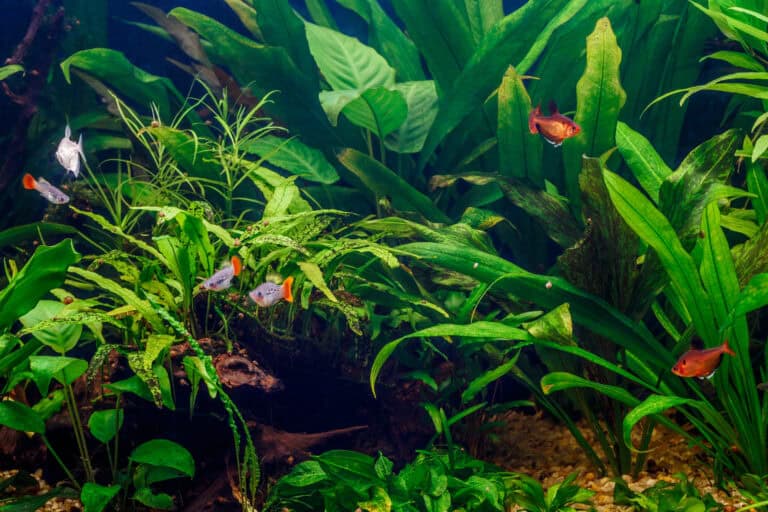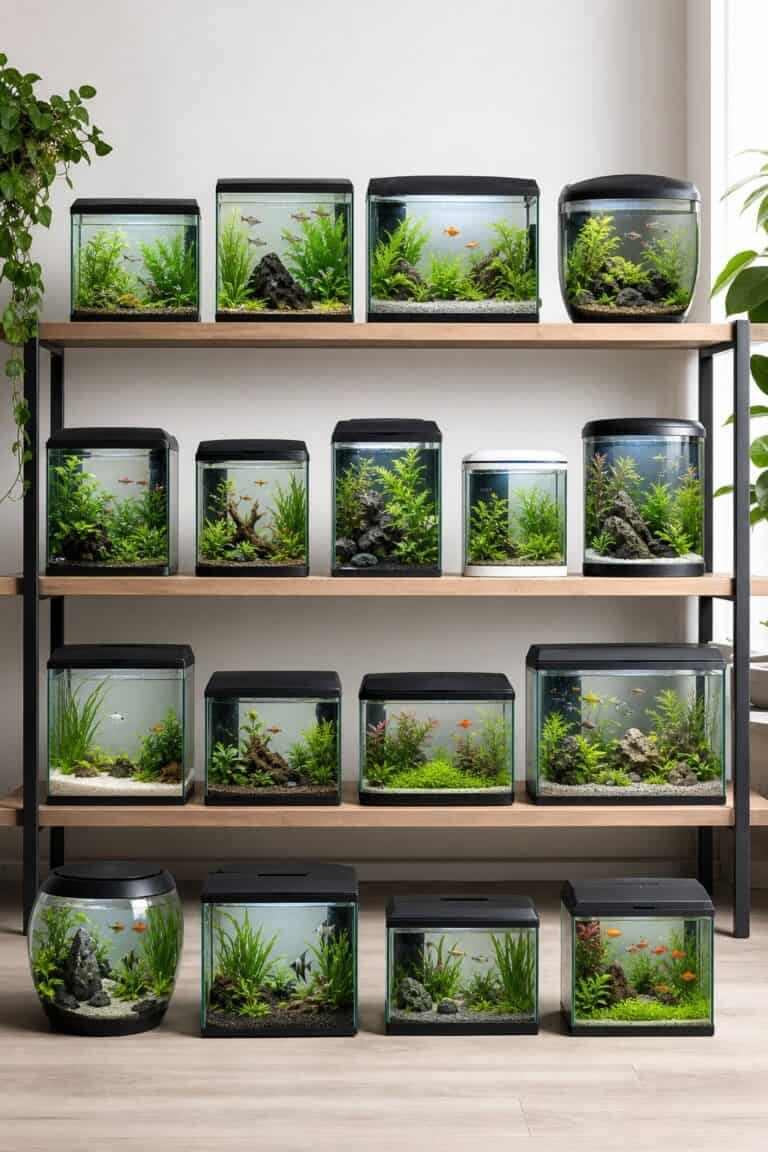

There are only five plants that are being recommended for shrimp tanks? These lists are ridiculous! Neocaridina shrimp can live in a variety of environments. They can thrive in a diverse range of planted environments! I totally understand that you want plants that are going to do more than just survive. You want plants that will offer plenty of hiding places while also giving shrimp plenty of surfaces to graze and you want to make sure that they aren’t going to just become algae farms in three weeks. I know there are plenty of lists like that out there. That’s why I made sure to choose plants that provided enough cover for the shrimp to thrive while also allowing the shrimp to graze and reducing the amount of algae in the tank. I know these plants are going to prove their worth just like they have for the shrimp. This list is going to be based on many working shrimp tanks; these are going to be proven suggestions and not the same recycled suggestions from some forum posters from years gone by!

We’ll note the problems, how each plant has been positioned, and why some of the usual criminals were not included. I aim to protect you from costly mistakes, and presenting you with options that are design-advanced and actually functional in a shrimp system.
1) Riccia fluitans (tied to rock, and it needs regular trimming)

I often see shrimp crawling through Riccia like it is some kind of soft green maze. They pick at the undersides of the Riccia and crawl into dense clumps. When it is tied to a rock, it forms a chunky, buoyant carpet and the shrimp use it more like a grazing lawn than a hiding place.
Riccia can be used in Neocaridina tanks because it doesn’t need much fertilization or CO2 to look nice. This type of moss can grow best under moderate water flow and lighting that is constant. To anchor it down, you can use thread or mesh. If you leave it loose, it will float and spread biofilm which sounds nice until your filter intake is dragging it around like a wig. Tie it down with thread or mesh
My most common issue has been neglecting my trims. Legginess in riccia creates dead zones underneath the mat if you let it mound, and I personally trim every 2-4 weeks, as well as fluff the mat so that water can penetrate it freely.
I enjoy putting it in the mid-ground on a rock shelf where the composition can spill down a slope. It looks like a soft highlight and does not obstruct view lines, plus shrimp love to parade along its edges.
2) Hemianthus callitrichoides ‘Cuba’ — highlight carpets only, and be patient

Little shrimp seem to sample the tiny new leaves as if they are tasting confetti. Once the HC (hairgrass) carpet has fully established, which takes longer than you’d think, the shrimp barely disturb the planting.
In my tanks, it grows a little at a time, creating a nice thick mat on the bottom which shrimp love to explore. It grows well in Neocaridina setups because it likes stable, slightly acidic to neutral water as well as a low nutrient suspension in the substrate. High light and CO2 are what make the difference. Without those, it will stretch and melt instead of creating a dense mat that shrimp can graze on.
Years of experience have shown the community that underestimating the required amount of CO2 and allowing early algae growth are typically the common death notes for this type of plant. If you decide to try it, place it in the front area of the tank where it will get a lot of direct light, and give it some time to settle in before you begin trimming. Frequent trimming of this plant encourages a dense, layered appearance rather than having sparse pale strands that reach for the top of the tank.
3) Monte Carlo — stagger your planting or lose the edges

Shrimp navigate around little leaves and grab biofilm off the runners like children at a candy store. In my simple Neocaridina tanks, it spreads out slowly and produces short runners (stolons) that shrimp can move around without tripping over.
Monte Carlo enjoys soft feeding. I light dose with root tabs every now and then and keep nitrates modest. It tolerates the cooler, neutral water the shrimp prefer and doesn’t require CO2, although with gentle fertilization and real patience (rather than constant intervention) growth is more steady.
I lose patches when I planted everything all at once. The outer edges never had a chance to root due to shading and competition by the inner plants. However, staggering the planting (plant some small groups spaced apart) promotes the carpet to expand and fill the gaps, as no single area will dominate light.
Using it as a foreground mat near hardscape areas softens the harshness of the rock bases and provides safe grazing areas for shrimplets. Additionally, a mat with a trimmed edge looks far cleaner than having the mat creep up onto the rock faces uninvited.
4) Staurogyne repens for a dense low-mid light foreground

I frequently see shrimp feeding on biofilm on the leaves while they graze along the stems and the carpet expands laterally. It creates a tidy mat in my tanks that shrimp love to move through and hide under during molting.
As a part of the Neocaridina shrimp community, Staurogyne repens is well suited to the conditions they need and does well in a neutral pH within the 6.5-7.5 range, moderately warm water, and low levels of CO2. It will not complain if you don’t fertilize heavily; an occasional dose of iron and trace elements will keep the leaves a good green without forcing annoying and excessive stem growth. It does go down into the substrate and will go across if you trim it, so it is great for where you want a lot of coverage in the front without really tall stems that are going to block your sight lines. A light dose of iron and trace elements
I’ve seen it fail when there is too little light and too weak a flow. The symptom is thin, elongated internodes. Also, do not bury the crown when you plant it, as that is a quick route to rot, and to a very sad plant within two weeks. For positioning, I like to put it in front of midground stones or beneath a low hanging branch of driftwood to make a natural transition from bare substrate to more densely planted midground. Trimming every few weeks keeps the carpet nice and gives the shrimp fresh grazing surfaces rather than a tangle that they would avoid.
“A shrimp tank isn’t just a collection of safe plants. It’s a neighborhood. The plants you choose determine which streets the shrimp actually want to walk down.”
5) Bolbitis heudelotii — anchor it to wood and let the roots do the work

Shrimp poke at Bolbitis leaves like they’re experimenting with new snacks. They also enjoy hiding among the tangled rhizomes that I tie to driftwood. Since this fern doesn’t root into the substrate, I bind the fern to the driftwood and let the coarse roots create little crevice highways for the shrimplets. I bind it to wood and let the coarse roots form
Bolbitis is great for stable, slightly acidic to neutral water like what Neocaridina prefer, and it asks for low to moderate light instead of constant dosing. It will respond poorly to being buried. If you pack the rhizome under substrate, it will rot quickly, so keep it exposed and attcahed to hardscape.
I’ve experienced patches failing due to high flow and where currents shred the fronds, so place it in a gentle area. For Bolbitis, I use it as a midground anchor on wood. Its dark, coarsely textured foliage contrasts well with nearby lighter mosses and provides shrimp actual grazing and shelter areas instead of just a decorative green blob.
6) Anubias barteri var. nana ‘Petite’ — a leafy low-light refuge

I frequently discover shrimp secretively positioned beneath the smallest Anubias leaves, feeding on the biofilm as if it’s a 24-hour snack bar. The Petite Anubias places itself low on wood or rock, and its puckered leaves trap microfilm at the very spot where Neocaridina feel secure and tend to spend time.
It does not complain when it comes to low light and soft to moderate hardness. This means you do not need high dosing or CO2 to keep it alive. I tie it to driftwood and avoid burying the rhizome. This one step prevents rot and keeps new shoots healthy.
If the tank gets really cold, or the nutrient levels drop, some of the lower leaves may start to yellow. If growth stops, I trim the older leaves, and I’ll elevate the rhizome to give it a bit more light. The response is slow, but there is a response.
With layouts that have shrimp, I use it for foreground refuges, where I cluster some rhizomes to create a low leafy shelter. The Petite has a small and intentional feel, which is a good counterpoint to moss and small carpets without grabbing visual focus from the shrimp.
7) Christmas Moss on hardscape — the best grazing surface in the tank

While foraging from the bunched tips of Christmas moss, shrimp will pick at them and flick their tails. This is one of the most honest plant-shrimp relationships I’ve seen. The moss captures food, the shrimp clean it, and they both benefit.
This is good for neocaridina since it can tolerate neutral pH, as well as low light and little to no fertilization. The surface area traps microfilm and biofilm, which shrimp eat constantly. The downside is that the same texture can catch debris, so I trim and rinse problem patches when they start to brown instead of waiting for a total collapse.
How do I avoid a dead water situation when keeping Christmas moss? When water flow is close to zero and detritus builds up, these mats become slimy gobs that shrimp will avoid. I try to relocate fragile mats to areas with a gentle flow, or I thin them with scissors to keep the fronds open and shrimp frolicking about.
In the arrangement, I utilize it as a grazing meadow for driftwood margins and rock interstices. This provides texture without concealing the shrimp, and it connects pieces of hardscape in a way that feels more natural than intentional.
Christmas moss (Vesicularia dubyana) gets its common name from the way its fronds overlap in a triangular pattern that resembles fir branches. In the wild it grows along stream banks and submerged rocks in Southeast Asia, which is why it adapts well to the stable, moderate-flow conditions most Neocaridina tanks aim for.
8) Cryptocoryne wendtii ‘Tropica’ — stable in neutral pH and soft water

Shrimp sift through the lower leaves as if they are grooming a lawn. The finely detailed surface is a bit ruffled and has a rough texture that catches biofilm and lots of it. This is the exact food source that Neocaridina spend their days foraging. In my tanks, it forms a nice steady midground clump that won’t spread like a wildflower or disappear in a day.
I recommend it because it deals with neutral pH and softer water better than many crypts. It does not need super heavy fertilizing or CO2 and stabilizes rather than sprawling which fits the pace of a Neocaridina tank.
To be completely honest, the plant can melt due to movement or if the parameters are changed too quickly. I’ve lost plants to sudden light increases and overzealous dosing in the same week. Once the conditions have settled, it can be reassuring or maddening, depending on your personality type, but usually new growth returns after some patience.
I put these behind short foreground plants and along shrimp pathways. This gives shrimp safe passage through the midground and layers the aquascape nicely without much work on your part.
9) Bucephalandra ‘Brownie Ghost’ — slow, rhizome-attached, and genuinely algae-resistant

The shrimp gently graze the biofilm and leave the leaf tissue undamaged, and pick at the surface of the leaves like they’re experiencing a road construction project at the new location. The plant is attached to driftwood in my tanks and, while its dark bronze leaves provide a contrast, it doesn’t pose to be a point of focus.
Neocaridina isn’t picky with light and fertilizer, and thus it is great with them. As for water conditions, it thrives in stable slightly acidic to neutral pH and gentle flow. Because it is a rhizome-attached plant, it will stay put and not uproot into the substrate, which is something shrimp appreciate as they tunnel and dig around the plant.
I have watched it sulk when sudden nitrate spikes occur, and it gets slimy patches if there is no flow, so do not skip water changes. For midground clusters, place it on wood or rock to form some shaded grazing spots and some visual depth, so you do not have to compete against your carpeting plants for real estate.
10) Lilaeopsis brasiliensis — narrow carpets with trimming patience required

The shrimp swim along the thin, grass-like leaves, and eat the biofilm on the edges. In my tanks, it forms more of a tidy, low ribbon as opposed to fully covering the tank, allowing shrimp paths to actually contribute to the overall effect.
Neocaridina is a type of shrimp that is known to adapt to low and moderate lighting. It’s also known to not require a lot of fertilizer to grow. This plant type attaches to its substrate without being invasive. However, it does hate being buried under a layer of detritus, so it needs gentle water flow in the foreground.
I have noticed it stall with insufficient flow or when I allow algae to overtake the tips. Short and frequent trimming will create a more dense appearance as opposed to sparse and ragged. If a narrow strip for the foreground is desired, plant it along a line of rock or driftwood and use long scissors to trim it to a height that is appropriate for small shrimp so it doesn’t end up tall and floppy.
Lilaeopsis brasiliensis looks best when planted in a defined band rather than scattered. Try running a single strip along the front edge of a rock formation, then leaving open substrate immediately behind it. That contrast between planted strip and bare gravel creates a visual “shoreline” effect that makes shrimp moving through it look intentional, not accidental.
11) Echinodorus tenellus ‘Mini’ — foreground grassy clumps, not a true micro

Shrimp skim along the slim blades and thinly carpet the green algae off the tops. In my tanks, the algae grows in neat little clumps and so the shrimp’s trails are easily visible which keeps the tank looking interesting.
This plant works with neocaridina because it survives low and moderate lighting, as well as low fertilization demands, so you won’t have to disturb your tank frequently for fertilization adjustments. Because the roots are shallow, shrimp digging near it won’t pull up the entire bunch, and it won’t rapidly carpet without some trimming and patience.
I have seen it die back after I increased CO2 and then decreased lighting the same week. Stress shows as sparse and leggy shoots that don’t recover nicely. It likes softer water but seems to handle a wider range than most true micros. Be on the lookout for algae on the fine blades in higher light especially if the flow is uneven.
I use tweezers to plant little groups at the front to create mini meadows with real shrimp highways reShimp highways real shrimp highways. Selectively trim to promote denser growth and maintain a planned appearance instead of overgrown.
Why Some “Shrimp-Safe” Plants Flop

I have seen recommended plants melt in a few days, and I have seen plants become shrimp magnets within a month. The most important aspect of a plant is how it will do in soft, acidic water, whether or not it will grow back after being grazed, and if it will release harmful substances or provide shelter in the tank. A plant being labeled “shrimp safe” tells you next to nothing about the things that matter.
Understanding Plant Melt in Soft Water
It seems I can see melting begin at the edges, limp new leaves, then internal brown patches that are spreading. In my setups where the GH is under 4 and the pH is near 6.2, this is something I see with many Cryptocoryne cousins and with some stem plants. It seems to me they are showing signs of adaptation due to hardier water or a different ion composition. Melt is typically not due to pests or damage from shrimp. It is more like a deficit in the calcium, magnesium, and carbonates that weakens the structural integrity of the cell walls before the plant can adjust.
Plants that Neocaridina can survive with either tolerate low ionic strengths or recover quickly from tissue loss. This means they have robust rhizomes, produce runners quickly, or can actively regrow from cut stems. When selecting plants, I look at their growing methods. Soft water setups often cause tissue cultured stems to fail because they have no acclimated mineral reserves and stop growing. A practical solution is using mineral supplements to slightly increase GH or selecting species with a proven record in soft water. Protect newly added plants from shrimp browsing and provide a low flow area to promote new leaf growth before moving them to more open areas.
Habitat Mimicry vs. Plant Chemistry
I’ve noticed that in some tanks, shrimp disregard the “shrimp-safe” signs due to the presence of a certain plant that released allelochemicals, or due to the presence of very thin leaves that became shredded during normal grazing. Shrimp-safe is not about the signs. It’s about the leaves’ texture, growth form, and chemistry.
The biofilm that allows grazing without bleeding upon (plant) nibbling is more likely to develop on the thick leathery leaves and larger area leaves. The delicate translucent leaves tend to rot very quickly from constant nibbling. Leaf chemistry also plays a role. Tannin rich plants slowly lower the pH, which some Neocaridina populations prefer, but there is a phenolic threshold where shrimp will be stressed and/or the bacteria that shrimp depend on will be negatively impacted. I look for placing plants that create microhabitats of moss, fine leaf carpets, and rosettes where shrimp can hide and feed. When planting, try to create open swimming spaces for the shrimp and places for them to rest in the shade. Also be sure to avoid planting dense vertical stems that will trap detritus and increase the likelihood of fungal blooms.
Design Considerations for a Layered Shrimp Tank

The Shrimp Patrol will make use of all the nooks and crannies of your tank, and you want your tank designed so that it encourages this behavior as much as possible. Varying heights and different structures on the bottom will provide the shrimp with places to hide and graze that will actually help to avoid the algae problems associated with heavy, stagnant, planting.
Layering Heights for Depth and Movement
In the background and in the middle I put larger stems like Rotala and Pogostemon to create some dappled shade on the lower mats. Shrimps enjoy the light to dark gradient. I have noticed during the bright parts of the light cycle they spend a lot of time on low moss carpets and in the darker areas they move up the stems where the biofilm is more concentrated. Make sure to have plenty of space between mid-height plants so that the shrimps can move freely through them horizontally. If they are too close it will block traffic and shrimps will get stressed and not move through the clump which will be even more stressful for them.
When designing your aquascapes, match the height of the plants you want to use with the depth of the tank. For tanks that are 12 to 16 inches deep, I like to use 6 to 8 inch foreground carpet plants, 8 to 12 inch midground plants, and 12 to 18 inch background stem plants. This also allows for proper water circulation so that there aren’t any dead zones behind the plants. I also try to maintain the sight lines in the tank as well as keeping the grazing paths clear. If the plants in the midground grow too much, then you won’t see the shrimp and then filamentous algae will start to form. This is the beginning of a tank looking like a problem rather than a planned aquascape.
Root Structures: Shrimp Highways or Debris Traps
For tanks with shrimp, I prefer using more fibrous rooted plant species as more narrow Java fern anubias roots provide footholds for the shrimp and do not trap debris. Some of the thicker bushier root plants like certain crypt species can trap leaves and form unwanted algae colonies, especially in areas with low flow. When I plant crypts with dense root systems, I then increase the circulation to a higher flow zone and then reduce the debris that can stagnate underneath the plant canopy to stop forgotten zones from forming.
For epiphytic plants, attach these to wood or rocks where there are areas that roots can hang freely. Shrimp will use these root zones as highways and foraging areas and in a well planted tank this is one of the most satisfying things to observe. For more shallow rooted carpet plants, you will want to plant these quite deep so that the shrimp do not uproot the runners. If you notice a root zone become covered in green string algae, then address the light and flow situation before removing plants. To maintain clean and useful roots, reactive pruning is your best approach so that you don’t have to address the root situation on a weekly basis.
I have seen many good looking shrimp tanks. However, I enjoy the ones with the least number of plants the most. I appreciate those tanks because I can appreciate the time and effort they put into the tanks. I’m able to sit and watch as a cherry shrimp spends 20 minutes on a single Anubias leaf. I can understand how the shrimp chose the leaf as his resting spot.