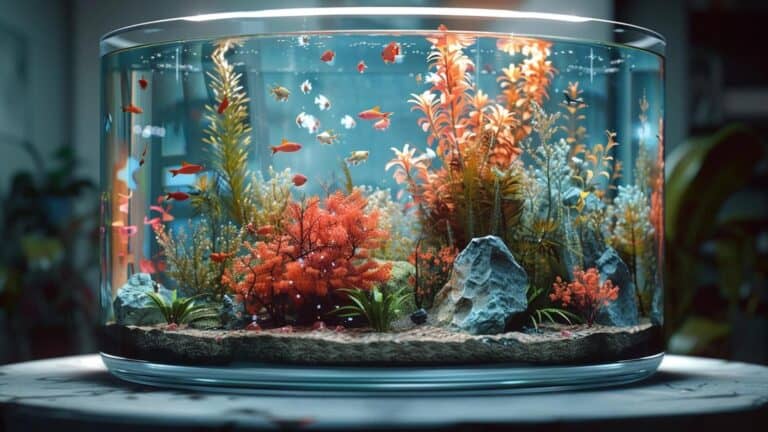

Your tank water has turned cloudy again, or maybe you’re battling the same algae bloom for the third time this month. You’ve seen UV sterilizers recommended everywhere, but they’re not cheap — and you’re wondering if this is the real fix or just another piece of equipment collecting dust.
Here’s the honest answer: UV sterilizers work, but only for specific problems and only when sized correctly. They’re excellent at prevention and water polishing, but they won’t cure a fish that’s already sick or kill algae that’s already attached to your rocks.
Quick Answer
UV sterilizers kill free-floating algae, bacteria, parasites, and viruses by exposing water to ultraviolet light. They’re best for prevention and water clarity in established tanks 50+ gallons — not for treating fish that are already sick or fixing newly cycled tanks.
How UV Sterilizers Work
A UV sterilizer is essentially a tube with an ultraviolet bulb inside. Water from your tank flows through the tube, and the UV-C light (at around 254 nanometers wavelength) penetrates the DNA of microorganisms, preventing them from reproducing or killing them outright.
The tube maintains an internal temperature of 104-110°F (40-43°C) for optimal UV effectiveness, with a quartz sleeve insulating the bulb from the water. The water itself doesn’t reach this temperature, but larger units can warm your tank water slightly — worth monitoring with a thermometer if you’re running a powerful unit on a smaller system.
[FACT] UV sterilizers only kill what passes through them. Algae attached to rocks, parasites already on fish, and bacteria colonized on surfaces won’t be affected — only free-floating organisms in the water column.
What About Beneficial Bacteria?
This is the most common concern, and the answer is reassuring: in an established tank, your beneficial bacteria colonies live on surfaces — filter media, substrate, rocks, and glass. They don’t free-float through the water column, so they won’t pass through the UV sterilizer.
The exception is newly cycling tanks, where bacteria are still establishing. Running a UV sterilizer during cycling can kill beneficial bacteria before they settle, extending your cycle time significantly.
When a UV Sterilizer Actually Helps
Green Water and Free-Floating Algae
UV sterilizers excel at clearing green water caused by free-floating algae. This is especially valuable for outdoor ponds constantly exposed to sunlight and nutrient runoff. For indoor tanks, green water usually clears within days of running a properly sized UV unit.
However, UV won’t touch algae growing on surfaces — that hair algae on your driftwood or the spot algae on your glass still needs manual removal or addressing the root cause (usually excess nutrients or light).
Bacterial Blooms and Cloudy Water
Persistent cloudy water from bacterial blooms responds well to UV sterilization. If you’ve ruled out other causes and your established tank keeps developing milky water, a UV sterilizer can clear it and prevent recurrence.
Disease Prevention in High-Turnover Systems
Quarantine systems, fish stores, and breeders with frequent new arrivals benefit most from UV sterilizers. By killing free-swimming parasites and pathogens before they can infect fish, UV units reduce disease transmission between tanks sharing a central filtration system.
[WARNING] Important
UV sterilizers do not cure sick fish. If your fish already has ich, velvet, or another disease, the parasites are attached — not floating through the water. You still need proper treatment. UV can only slow the spread by killing free-swimming stages of the parasite lifecycle.
General Water Polishing
Some hobbyists run UV sterilizers simply for crystal-clear water. If water clarity matters to you (especially in display tanks or photography setups), UV provides that extra polish beyond what mechanical filtration achieves.
When You Probably Don’t Need One
Tanks under 50 gallons: Problems in smaller tanks are usually more effectively solved with water changes and addressing the root cause. A UV sterilizer costs more than solving most small-tank issues directly.
Newly cycled tanks: Wait until your tank is fully established (3+ months) before adding UV. During cycling, you risk killing beneficial bacteria that haven’t settled yet.
One-time algae or bacterial bloom: If you’ve never had the problem before, fix it manually first. UV sterilizers are for recurring issues or prevention — not a substitute for proper tank maintenance.
Factors That Determine Effectiveness
| Factor | What It Means | Recommendation |
|---|---|---|
| Bulb Wattage | Higher watts = more UV output | Minimum 30W for parasite/virus control |
| Bulb Length | Longer contact time per pass | Longer is better for thorough sterilization |
| Flow Rate | Slower flow = more UV exposure | Follow manufacturer specs; don’t exceed |
| Turnover Rate | How often total tank volume passes through | 3-5x turnover per hour for best results |
| Bulb Age | UV output degrades over time | Replace every 6-12 months |
Different microorganisms require different UV doses. Algae and bacteria die at lower exposures, while parasites like ich and viruses need significantly more UV contact time. Cheap, undersized units may clear green water but won’t touch parasites.
[TIP] Pro Tip
Size your UV sterilizer for the problem you’re solving. For algae and bacterial control, follow basic sizing guides. For parasite prevention, go one size up from the manufacturer recommendation for your tank volume.

The Bottom Line
UV sterilizers are legitimate tools — not gimmicks — but they solve specific problems. They’re best suited for:
- Established tanks 50+ gallons with recurring water clarity issues
- Pond setups exposed to constant algae sources
- Multi-tank systems where disease prevention matters
- Hobbyists who want maximum water clarity in display tanks
For most single-tank hobbyists dealing with a one-time algae bloom or cloudy water, fixing the root cause through proper maintenance is cheaper and more effective. UV sterilizers are a prevention tool, not a cure-all.
If you do invest in one, size it properly, replace the bulb annually, and understand its limitations. A UV sterilizer won’t fix poor husbandry — but combined with good practices, it can give you noticeably cleaner water and peace of mind.
Frequently Asked Questions
Will a UV sterilizer kill beneficial bacteria in my tank?
No, not in an established tank. Beneficial bacteria live on surfaces (filter media, substrate, rocks) and don’t float freely through the water. Only free-swimming organisms pass through the UV sterilizer. Avoid using UV during initial cycling when bacteria are still establishing.
Can a UV sterilizer cure ich on my fish?
No. Once ich parasites are attached to your fish, they won’t pass through the UV sterilizer. UV can only kill the free-swimming stage of ich, potentially slowing the spread. You still need to treat infected fish with appropriate medication in a quarantine tank.
How often should I replace the UV bulb?
Replace UV bulbs every 6-12 months, even if they still light up. UV output degrades over time while the visible light remains. A bulb that looks fine may only be producing a fraction of its original UV-C output.
Should I run my UV sterilizer 24/7?
For ongoing prevention and water clarity, yes — run it continuously. Some hobbyists only run UV when dealing with active problems to extend bulb life, but continuous operation provides the best prevention against new pathogens and algae blooms.
Do I need a UV sterilizer for a small tank?
Generally no. Tanks under 50 gallons rarely need UV sterilizers. Problems in smaller tanks are better solved with regular water changes and addressing root causes like overfeeding or excess light. Save the investment for larger systems where UV makes more practical sense.
Have questions about UV sterilizers for your specific setup? Drop a comment below — we’re happy to help you figure out if it’s the right choice for your tank.