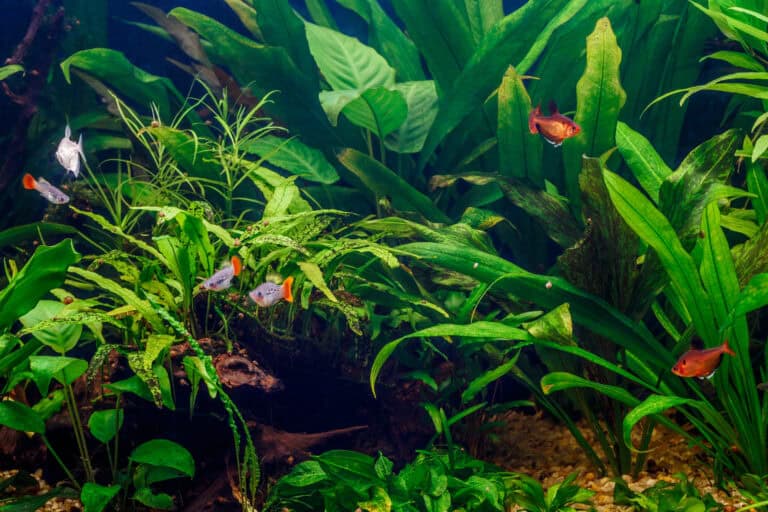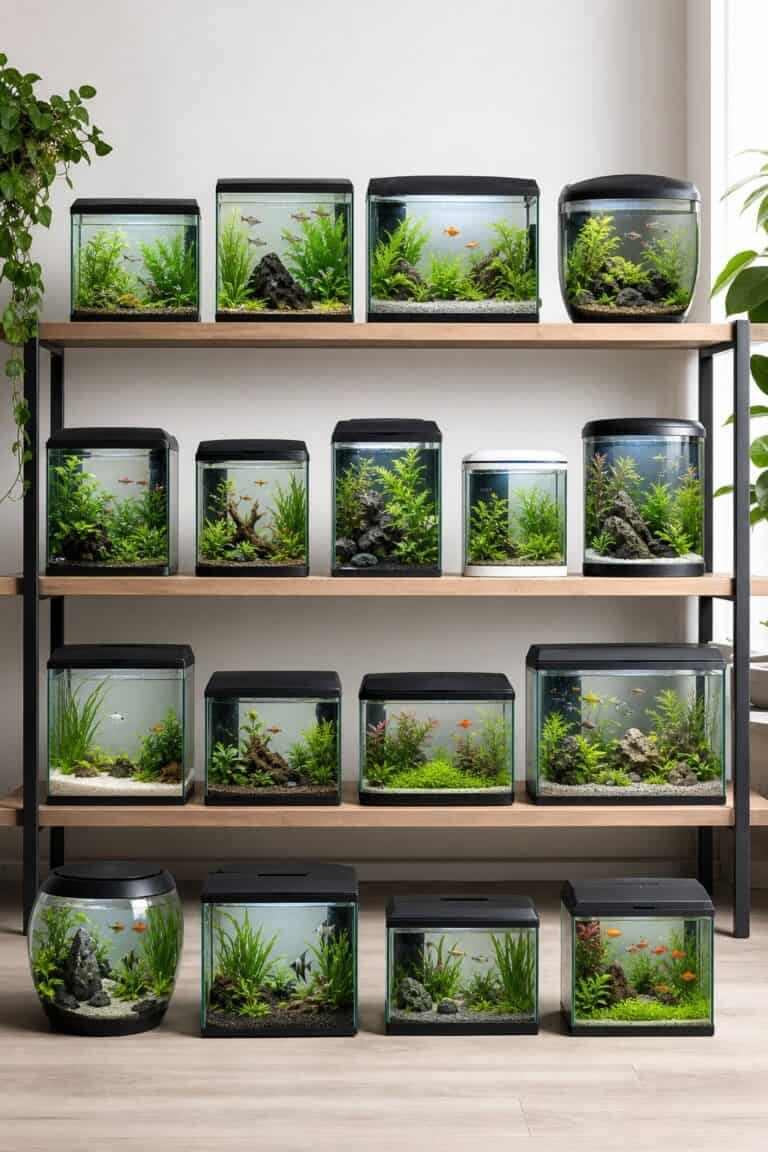
Your tank looks a little empty, and you want a plant that will actually thrive without demanding a PhD in aquatic botany. Good news: Amazon sword is exactly what you’re looking for. This lush, sculptural plant has been a staple in planted tanks for decades because it delivers dramatic results with minimal fuss.
Quick Answer
Amazon sword (Echinodorus bleheri) is one of the easiest aquarium plants to grow. Plant it in nutrient-rich substrate with root tabs, provide low to medium light, and watch it flourish. No CO2 injection required.
Amazon sword is actually a common name for several plant species in the Echinodorus genus, including Echinodorus bleheri and Echinodorus amazonicus. These beautiful rosette plants feature long, sword-shaped leaves that emerge from a central crown, creating a lush, jungle-like appearance in any aquarium. Native to the Amazon River basin in South America, these plants have adapted to a wide range of water conditions, which is exactly why they’re so forgiving in home aquariums.
? Amazon Sword At-A-Glance
Tank Size: 30+ gallons
Care Level: Easy
Placement: Background
Lighting: Low to medium
Temperature: 71.5-83°F (22-28°C)
pH Range: 6.5-7.5
Growth Rate: Moderate to fast
Max Height: 20+ inches (50+ cm)
How to Plant Amazon Sword
Because of the impressive size this plant can reach—often exceeding 20 inches (50 cm) and sometimes growing even taller under ideal conditions—Amazon sword works best as a background plant in larger aquariums. Those broad, vibrant green leaves create a stunning natural backdrop and serve as an excellent focal point for your aquascape.
? What You’ll Need
- Nutrient-rich planted substrate or gravel with root tabs
- Aquarium-safe planting tweezers (optional but helpful)
- Root tabs for ongoing fertilization
- A tank of at least 30 gallons for mature plants
Planting your Amazon sword correctly from the start sets it up for long-term success. Follow these steps:
?? Important
Never bury the crown of your Amazon sword. The crown is the central point where all the leaves emerge from. If it’s covered by substrate, the plant will rot and die within weeks. When in doubt, plant a little too shallow rather than too deep.
Because Amazon swords are heavy root feeders, they really appreciate nutrients delivered directly to their root zone. Root tabs placed near the roots during planting—and replenished every 3-4 months—will make a noticeable difference in growth rate and leaf color.
Amazon Sword Care & Requirements
Once your Amazon sword is planted, the maintenance requirements are refreshingly minimal. This is genuinely one of those “set it and mostly forget it” plants that makes aquascaping accessible to beginners.
Lighting: Amazon sword thrives under low to medium light, making it compatible with basic aquarium LED fixtures. You don’t need expensive high-output lights or a sophisticated lighting schedule. That said, plants receiving moderate light (around 30-50 PAR at substrate level) will grow faster and develop more compact, vibrant leaves than those in very dim conditions.
CO2: Supplemental CO2 is not required for healthy Amazon sword growth. The plant will do perfectly well with the natural CO2 present in your aquarium water. However, if you do run a CO2 system, your swords will reward you with noticeably faster growth and larger leaves.
Fertilization: As heavy root feeders, Amazon swords get most of their nutrition through their roots rather than the water column. Root tabs are the most effective fertilization method. Replace them every 3-4 months, or sooner if you notice growth slowing down. In heavily planted tanks, you may also benefit from adding a liquid plant fertilizer to supplement micronutrients.
? Pro Tip
When your Amazon sword drops its original leaves after planting, don’t panic. Many nursery-grown swords are cultivated emersed (above water) and will shed their emersed leaves as they grow new submersed ones. This “melt” is normal and temporary—just remove the dying leaves and wait for the new growth.
Pruning: New leaves will emerge from the center of the crown, while older outer leaves will eventually yellow and die back. Remove yellowing, dead, or dying leaves by cutting them at the base with sharp scissors. These leaves won’t recover, and removing them directs the plant’s energy toward new growth. Regular pruning also prevents your sword from blocking too much light from reaching other plants.
Propagation: Amazon sword reproduces by sending out runners—long stems that produce baby plants (called plantlets) along their length. Once a plantlet develops its own root system and several leaves, you can cut it from the runner and replant it elsewhere in your tank. These plantlets also make great gifts for fellow hobbyists or can be traded at local fish club meetings. If you allow your Amazon sword to grow partially above the water surface (emersed), it may even produce delicate white flowers on a flower stalk.
? Did You Know?
Amazon sword plants can live for many years in aquariums. Individual specimens have been documented surviving over a decade with proper care, continuously producing new leaves and runners throughout their lifespan.
Compatible Tankmates
Amazon sword gets along with the vast majority of aquarium inhabitants. Its sturdy leaves and robust root system make it more resistant to disturbance than delicate stem plants. Most community fish, including tetras, rasboras, gouramis, livebearers, corydoras, and peaceful cichlids like rams and apistos, will leave your swords completely alone.
Shrimp and snails are also excellent companions. Cherry shrimp, Amano shrimp, and nerite snails will actually help keep the broad leaves clean by grazing on algae and biofilm without damaging the plant tissue itself.
?? Avoid These Tankmates
Large cichlids (Oscars, Jack Dempseys), goldfish, and common plecos will destroy Amazon swords by uprooting, shredding, or eating them. If you keep these fish, consider hardier alternatives like Java fern or Anubias attached to rocks or driftwood.
Troubleshooting Common Problems
Even though Amazon swords are forgiving plants, you may encounter a few issues. Here’s how to diagnose and fix them:
Yellowing Leaves: Yellow leaves—especially older outer leaves turning yellow while veins remain green—are the classic sign of iron deficiency. Amazon swords are heavy iron consumers, and this is by far the most common problem hobbyists encounter. The fix is simple: add root tabs near the plant’s roots and consider supplementing with a liquid fertilizer containing iron. In densely planted tanks, you may need to fertilize more frequently than the package suggests.
Holes in Leaves: Small holes appearing in leaves, especially newer ones, often indicate potassium deficiency. A comprehensive liquid fertilizer or specialized potassium supplement [INTERNAL LINK: “aquarium plant fertilizers” -> plant fertilization guide] will resolve this over time. Note that existing holes won’t heal, but new leaves should grow in without damage.
Algae Growth on Leaves: Those broad, slow-growing leaves are prime real estate for algae. Gently wiping leaves with your fingers during water changes helps, and adding algae-eating tankmates like nerite snails or Amano shrimp provides ongoing control. Persistent algae usually signals an underlying imbalance—often too much light, excess nutrients in the water column, or insufficient plant mass to outcompete the algae. Reducing your lighting period to 6-8 hours daily is a good first step.
Stunted Growth: If your sword seems stuck and isn’t producing new leaves, check your root tab situation first. These plants feed heavily through their roots, and nutrient-depleted substrate is the usual culprit. Also verify that the crown isn’t buried and that the plant is receiving adequate (not necessarily strong) light.
Melting After Purchase: As mentioned earlier, many commercially grown Amazon swords are raised emersed. The transition to underwater life causes the emersed leaves to die back. This is normal. Keep the plant in place, remove dead leaves as they deteriorate, and wait for new submersed growth to emerge from the crown.
Where to Buy Amazon Sword
Finding Amazon sword plants for your aquarium is straightforward—they’re one of the most commonly stocked aquarium plants in the hobby. Most local fish stores carry them, and they’re a fixture at big-box pet stores as well. When shopping in person, look for plants with green, healthy leaves (some minor damage is acceptable) and a firm, white root system.
One thing to keep in mind: “Amazon sword” is used loosely as a common name for multiple Echinodorus species, and plants are sometimes mislabeled. If you want to be certain you’re getting the classic variety, look for plants specifically labeled as Echinodorus bleheri or Echinodorus amazonicus. The care requirements are similar across these species, but growth patterns and maximum sizes can vary.
Buying online is also a reliable option, especially if your local stores have limited plant selections. Look for sellers with strong reviews and a live arrival guarantee. This seller is a popular choice among hobbyists for quality Amazon swords shipped directly to your door.
? Expect to pay $5-12 for a healthy Amazon sword plant. Larger, more established specimens command higher prices but establish faster in your tank. Tissue culture plants are also available and arrive pest-free, though they’re smaller and take longer to reach full size.
Frequently Asked Questions
How fast does Amazon sword grow?
Under good conditions with adequate lighting and root fertilization, Amazon sword produces 1-2 new leaves per week. A small plant can reach its full size of 16-20+ inches within 6-12 months. Growth slows significantly without root tabs or in very low light.
Can Amazon sword grow in gravel?
Yes, Amazon sword grows well in plain gravel as long as you supplement with root tabs. The plant is a heavy root feeder, so inert substrates like gravel need added nutrients. Plant-specific substrates like Fluval Stratum or Eco-Complete provide built-in nutrition but root tabs are still beneficial.
Why is my Amazon sword melting?
New Amazon swords often “melt” because they were grown above water (emersed) at the nursery. The emersed leaves die back as the plant transitions to underwater life. This is temporary—leave the plant in place, remove dying leaves, and new submersed growth will emerge within a few weeks.
Does Amazon sword need CO2?
No, Amazon sword does not require CO2 injection. It grows perfectly well using the CO2 naturally present in aquarium water. However, supplemental CO2 will accelerate growth and produce larger, more vibrant leaves. It’s a nice-to-have, not a necessity.
How do I propagate Amazon sword?
Amazon sword propagates through runners—long stems that grow from the mother plant and produce baby plants (plantlets) along their length. Once a plantlet has developed its own roots and several leaves, cut it from the runner and plant it elsewhere in your tank or share it with other hobbyists.
If you have any more questions about Amazon sword care or want to share your own experiences growing this classic aquarium plant, feel free to leave a comment below. Happy fishkeeping!
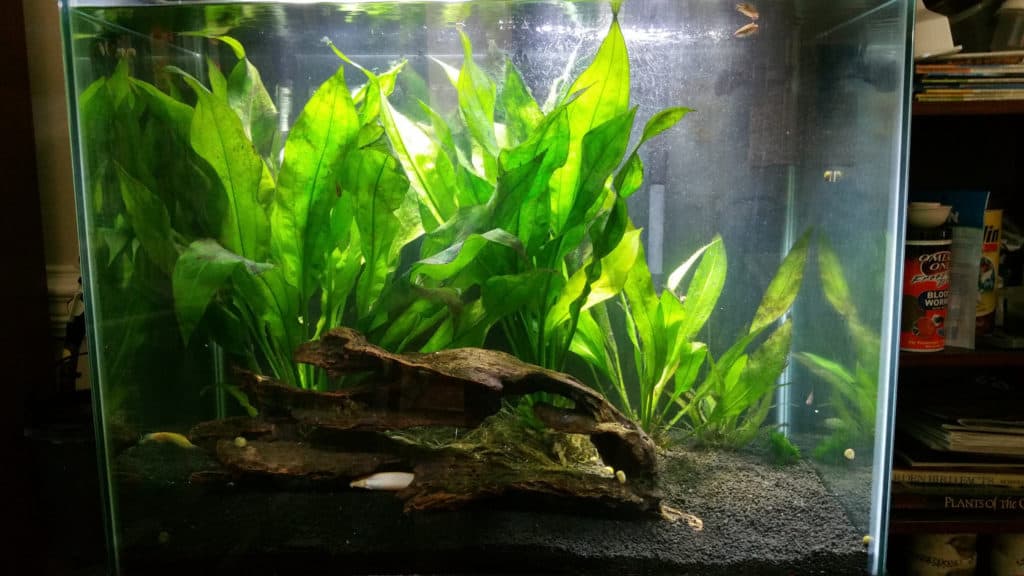
Cover photo: 20150523_132759 by mobile_gnome.